
A vast 1,500-piece archive documenting the life, work, and personal world of composer Sir Edward Elgar has officially relocated from the United States to Manchester. The collection—now entrusted to the Hallé orchestra—completed a 3,500-mile journey from New Jersey to its new home at The Bridgewater Hall.
The Hallé has received a donated archive of roughly 1,500 catalogued Elgar artefacts, built over 60 years by Arthur Reynolds, Chairman of the Elgar Society’s North American Branch. A £105,000 grant from the National Heritage Memorial Fund covered transport and legal fees, preventing the collection from being broken up as it was relocated to the UK.
“This remarkable archive offers a rare and deeply personal insight into Sir Edward Elgar’s life, work and pioneering role in the history of recorded music.”
Simon Thurley, Chair of the National Heritage Memorial Fund, said: “This remarkable archive offers a rare and deeply personal insight into Sir Edward Elgar’s life, work and pioneering role in the history of recorded music. The National Heritage Memorial Fund exists to help save the UK’s most outstanding heritage at risk of being lost, dispersed or taken out of public reach, and we are delighted to have supported the Hallé in bringing this exceptional collection to Manchester, where it will have a fitting new home that shares such important historic connections with Elgar.
“By helping to keep the archive together and make it accessible to researchers, musicians and the public, this grant will ensure Elgar’s legacy continues to inspire and inform future generations, while strengthening Manchester’s musical heritage offer and its place in the story of one of the UK’s most celebrated composers.”
Inside the archive
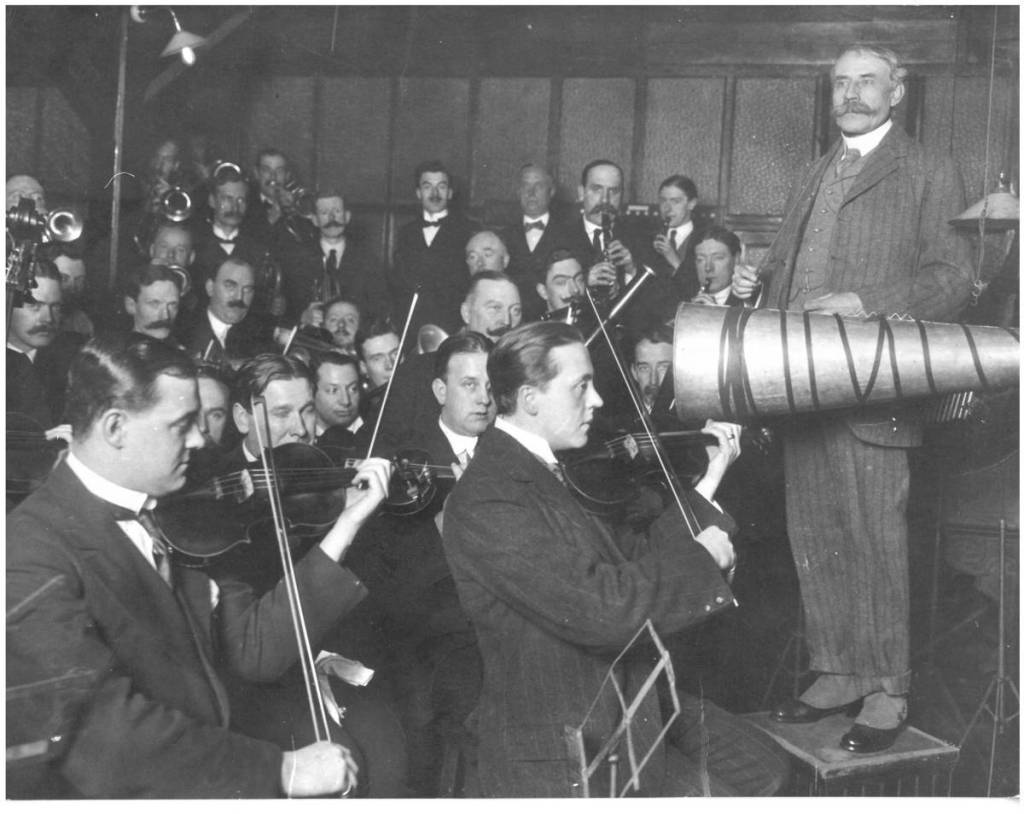
Spanning autographed manuscripts, original scores, personal letters, and intimate daily items, the archive provides an unprecedented view into the life and legacy of Sir Edward Elgar. Among the archive’s most compelling elements is its record of Elgar’s embrace of emerging music technology. Recognised as one of the first major composers to take recorded sound seriously, Elgar eagerly adopted acoustic recording in 1914 and transitioned to electric microphones in 1923.
He opened HMV’s first Oxford Street store in 1921—calling for gramophones in every school—and conducted the London Symphony Orchestra for the 1931 opening of EMI Studios (now Abbey Road). Across 55 sessions between 1914 and 1934, Elgar captured his own compositions on record; the collection includes one-off test pressings bearing his handwritten critiques, such as flagging a background cough or writing off a take as “bad.”

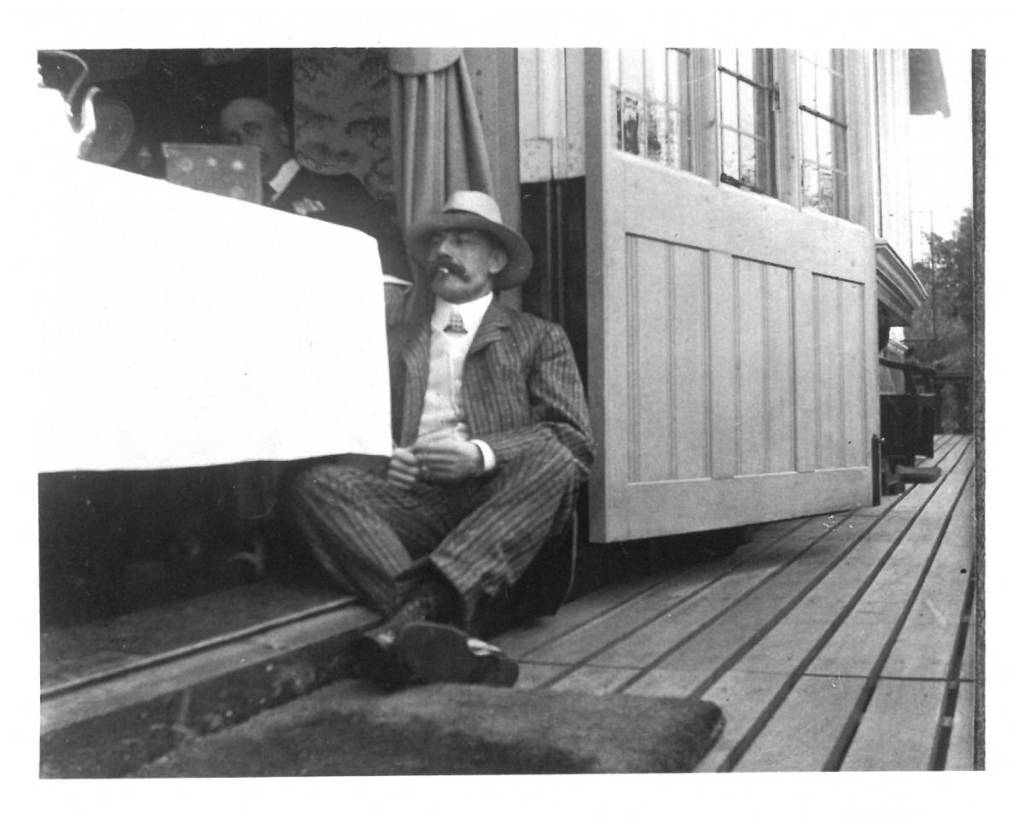
Beyond sound recordings, the archive holds landmark musical scores, including a first edition of the Enigma Variations and heavily annotated manuscript scores. It also features extensive correspondence with artistic figures like painter John Singer Sargent and pianist Fanny Davies, alongside intimate personal mementos ranging from family recipe books and photographs to his shaving bowl.
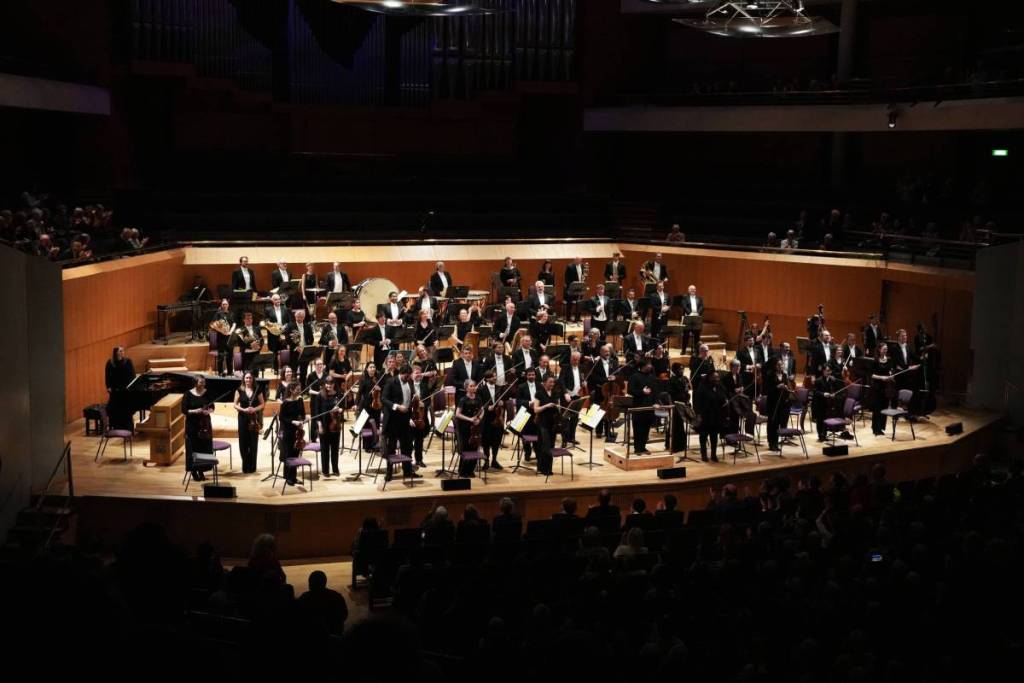
To ensure the collection remained complete and accessible to all, collector Arthur Reynolds gifted it to the Hallé—a decision rooted in the orchestra’s deep historical ties to Elgar. The composer was a close friend of former Principal Conductor Dr. Hans Richter, and the Hallé premiered Elgar’s First Symphony at Manchester’s Free Trade Hall in 1908. This legacy was actively cultivated in recent decades by Sir Mark Elder, whose 20-year tenure as Music Director established him as a premier Elgar interpreter and made the composer’s work central to the orchestra’s identity.

How to view the Edward Elgar collection in Manchester
Brought to the UK with vital co-funding from philanthropist and long-term Hallé Patron Carole Nash, the collection will reside at Bridgewater Hall. Members of the public can view the items by appointment, or explore Reynolds’ detailed catalogue online via the Connecting Manchester’s Music Archives website. Select artifacts will be featured in future exhibitions as the Hallé works toward establishing a permanent, fully accessible archive space.
“I decided then and there to make it my life’s work to prevent the disappearance of material related to Elgar’s creative life.”
Arthur Reynolds said: “Edward Elgar’s music offered me sensations of reverence to the United Kingdom. When I came to study there in the mid 1960s, I was surprised to find my admiration for Britain’s greatest composer unshared by my contemporaries whose interest in Elgar’s music had reached a nadir of negativity.
“One consequence was a neglect that threatened to consign Elgar memorabilia to an undeserved oblivion. I decided then and there to make it my life’s work to prevent the disappearance of material related to Elgar’s creative life. The result is the archive that has now reached its final resting place with Hallé.”