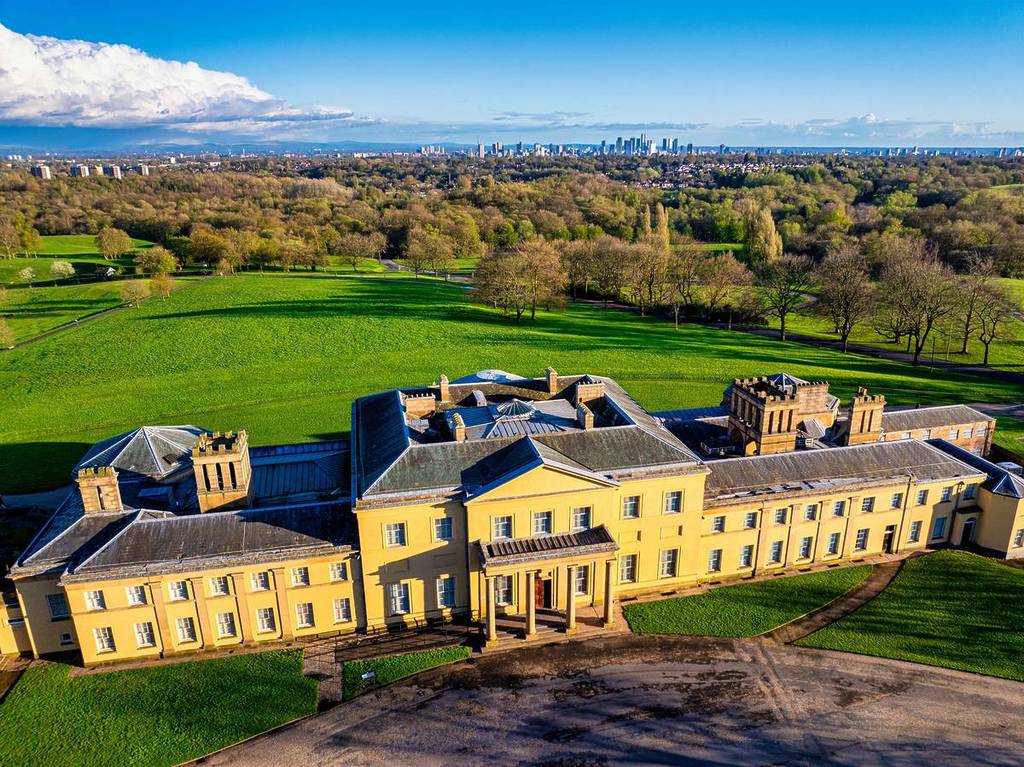

It may sound like unlikely news, but Heaton Hall’s chandeliers have been returned to their glittering best following intensive works to refurbish and refresh the ornate lighting features as part of a major programme to rewire the heritage building – and it actually means quite a lot to its history, and for its future.
The Grade I listed property, the jewel of Heaton Park, has been closed to visitors since summer 2025 for ongoing refurbishment to protect the Hall from further deterioration, improve safety and safeguard the building for future generations – the Orangery building has been closed since 2012.
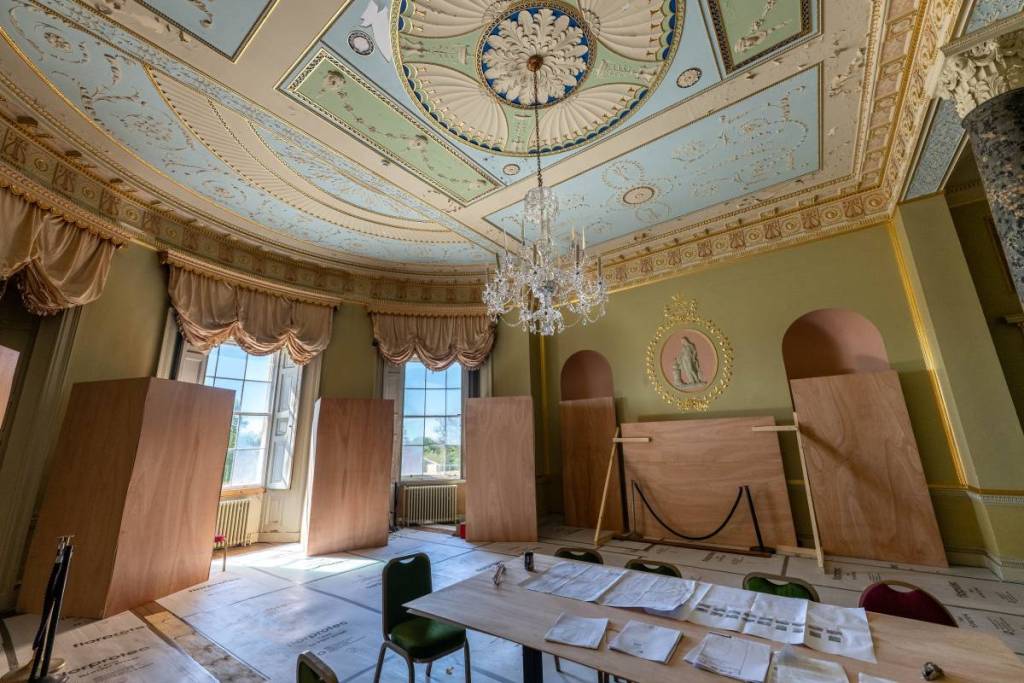
The programme to rewire Heaton Hall has been ongoing since November 2025, requiring a detailed room-by-room project plan to encase and protect the various priceless paintings, statues and furniture items, as well as doors and flooring – before any work could even begin.
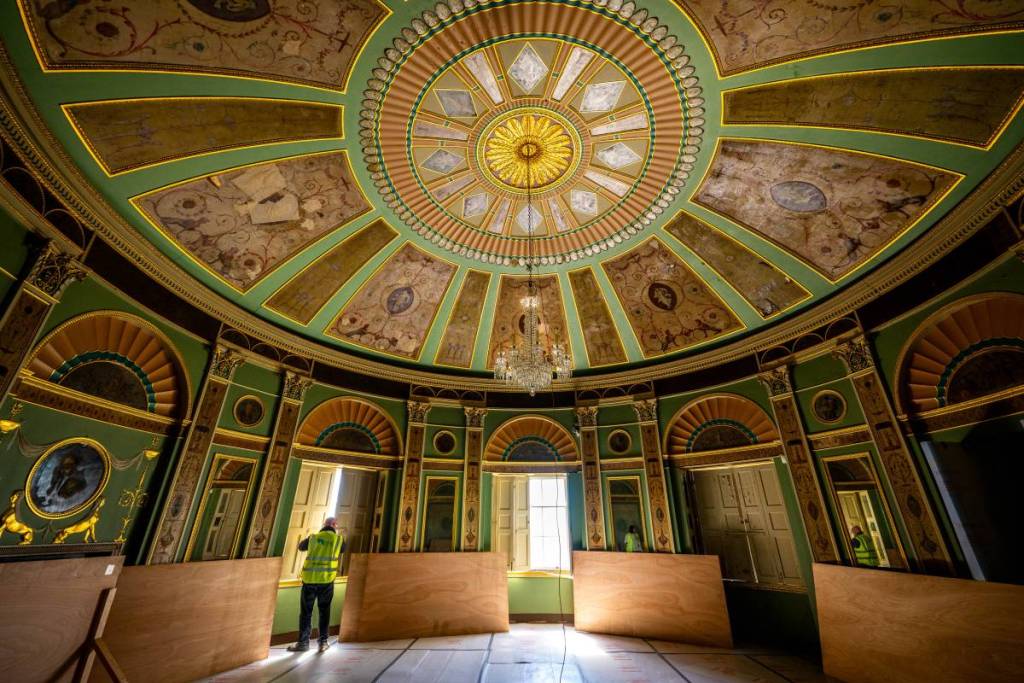
A full renewal of the electrical systems has taken place to make sure modern fire detection and alarm systems are in place throughout the hall, while also improving security systems and electrical reliability – reducing the need for maintenance and future investment.
Refurbishment has been undertaken by specialist chandelier conservators (Brotheridge Chandeliers) using established conservation‑led techniques, typically including:
- Full dismantling of each chandelier, with components labelled and recorded.
- Removal of obsolete wiring, lampholders and fixings.
- Internal rewiring of arms and central stems using modern, double‑insulated cabling concealed within the structure.
- Repair or replacement of chains, suspension fittings and candle tubes, matching original profiles.
- Replacement or re‑pinning of crystal drops, pendants and buttons, using period‑appropriate components.
- Careful cleaning of metalwork and glass, avoiding abrasive methods.
- Reassembly and testing, with discreet integration of modern LED lamps and emergency lighting where required.
The Hall will be ‘future-proofed’ with improved Wi-Fi and data infrastructure, while exterior spotlights have been installed capable of active light projections to enliven the building for historical and cultural events.
This investment will also support further commercial filming and specialist cultural uses. For example, the Hall has been used as a location for recent productions The House of Guinness and A Gentleman in Moscow.
200 years of lighting history
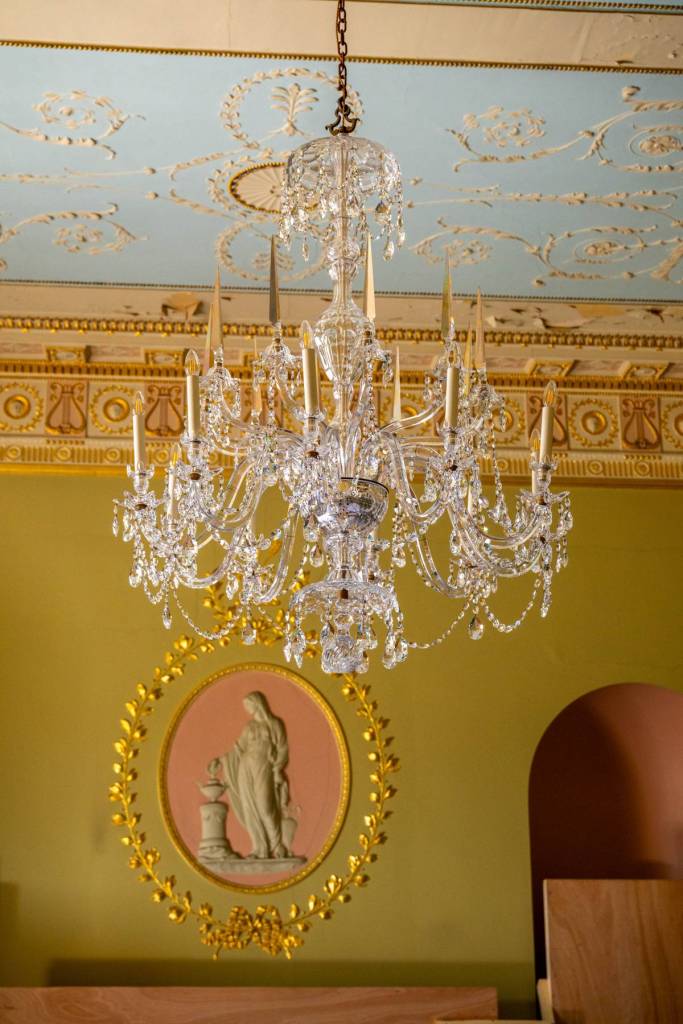
The chandeliers at Heaton Hall span over 200 years of lighting history, from early 19th‑century Regency glass chandeliers—originally designed for candles or oil—to later Colza oil lamps and high‑quality 20th‑century reproductions commissioned to suit specific interiors. Several notable pieces include:
- A large Regency crystal chandelier (c.1815) attributed to John Blades in the Music Room.
- An early 19th‑century glass chandelier (1810–1820) in the Cupola Room, well matched in scale and craftsmanship.
- Venetian and clear‑glass candelabra acquired mid‑20th century from historic house sales and antiques dealers.
Over several months, a total of five large ornate chandeliers along with seven smaller suspended light fittings, have been carefully removed, conserved, rewired and reinstalled prioritising the retention and reuse of historic fittings – with the earliest chandelier dating back to the early nineteenth century.
New chandeliers or replica fittings were proposed only where existing fittings were missing, inappropriate in scale, or beyond repair, and all new introductions were subject to conservation approval.
The future of Heaton Hall and the Orangery
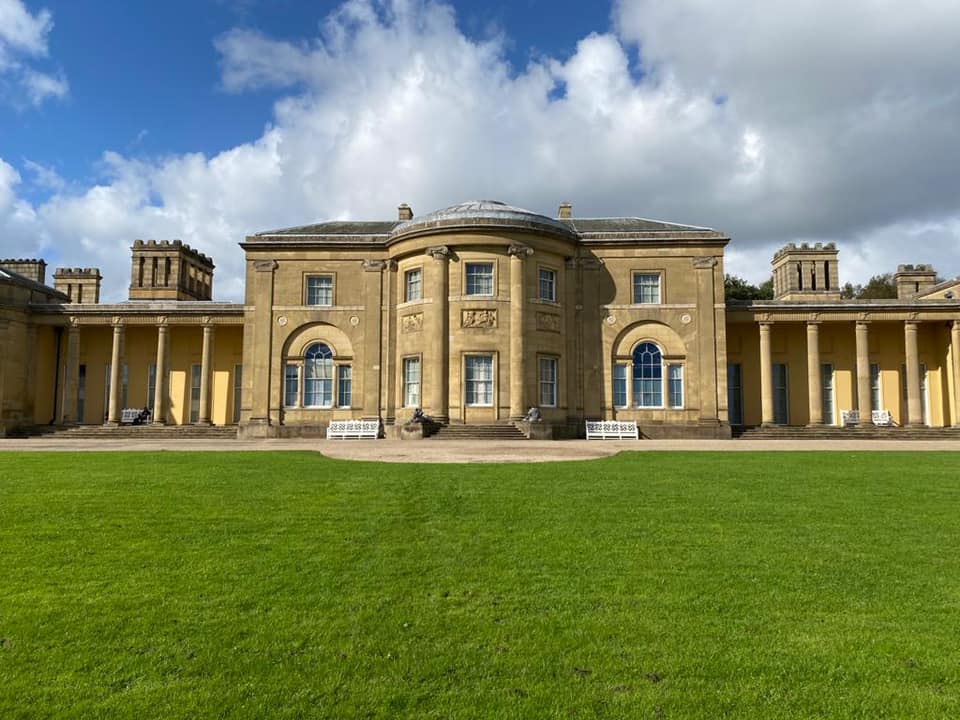
Following the rewiring works, Heaton Hall will be prepared to welcome back visitors later this year with tours organised by the Friends of Heaton Hall. The expert volunteers will take small groups through the property providing visitors with fascinating historical insights about the hall and the various collections within the property – including furniture items, artworks and the priceless murals that adorn the ceiling of the famous Cupola Room.
More information about the tours, including how to book on to a session, will be made available in the coming months.
As part of the long-term investment into the estate, the Council also announced significant works to the Orangery building at Heaton Hall. The vision is to bring the building back into use as a high quality events and dining venue after being vacant for more than a decade, with works to repair the Orangery roof set to start this month, lasting around 12 weeks.
Following the completion of the roof works the internal refurbishment works will start, taking around 48 weeks after which an operator will add the finishing touches ready for reopening in late 2027-early 2028.
Investment in Heaton Park
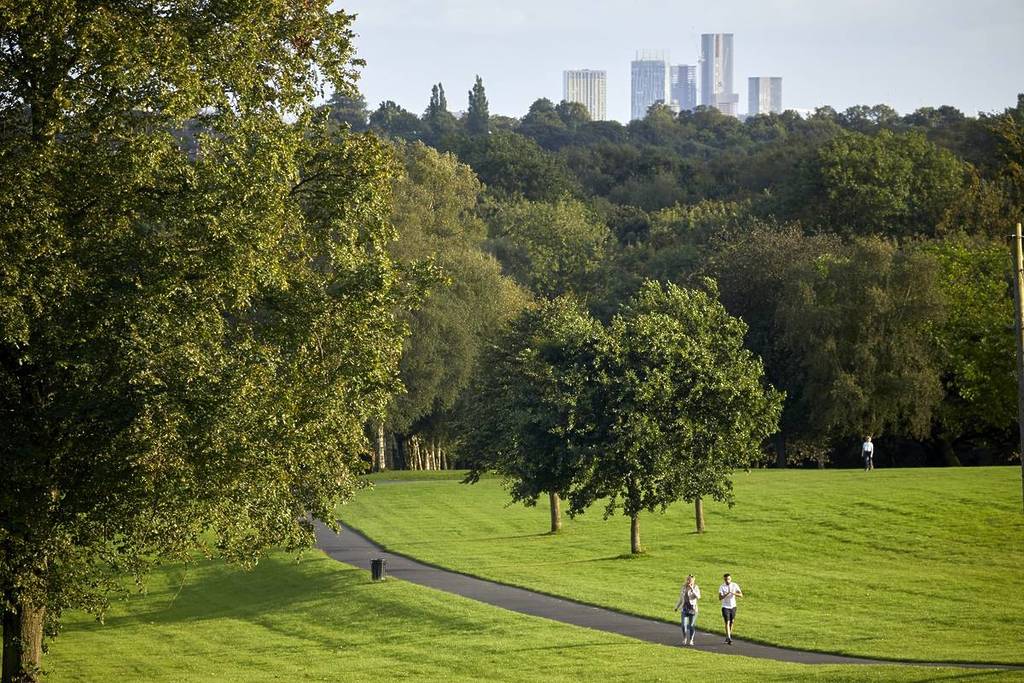
The Lakeside Café refurbishment is now complete, alongside improvements to the toilet facilities, all of which are fully open. The upgraded spaces include fresh decoration, new fittings, modern cladding, updated heating, and improved accessibility features.
A brand new wheelchair-accessible pedalo has been introduced on the historic boating lake, enabling up to nine people – including a wheelchair user – to enjoy time on the water together.
Nearby, accessible picnic benches have been installed outside the Lakeside Café, complemented by thoughtful indoor features such as lowered counters and comfortable seating to better support visitors with mobility needs.
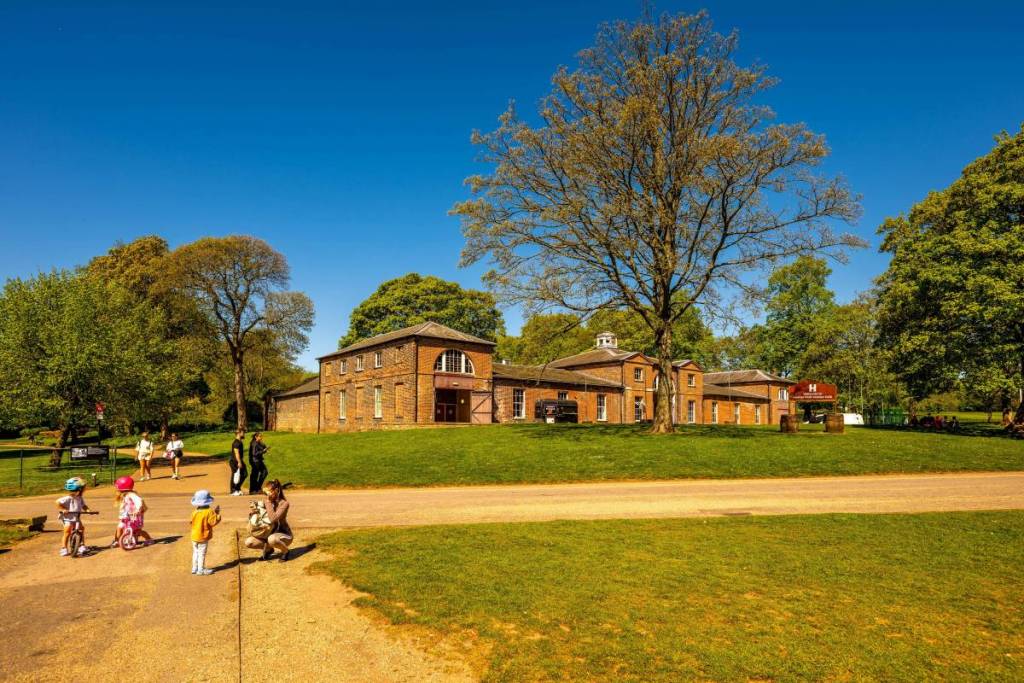
Cllr Basat Sheikh, Manchester City Council’s executive member for neighbourhoods, said: “Heaton Hall is the jewel in the crown of Manchester’s heritage buildings – an icon of north Manchester and beloved by generations of Mancunians.
“The Council take its role as custodians of the property seriously and for some years a long-term programme of investment has been underway to protect the building and make sure it is safeguarded and future proofed so that it can be enjoyed for years to come.
“This latest work is an essential part of the refurbishment puzzle and an exciting milestone on our journey to opening up the hall for visitors for the first time since for a year this summer.
“We know how important this building is to many of our residents and we can’t wait to welcome people back inside.”