The Greater Manchester v Lancashire debate wages war to this day, despite the border being adjusted back in the 1970s, but sometimes we must admit, Lancashire is great, and we’re happy to hop over there for a bit of time out. That’s why one of our favourite places to visit in Lancashire is Clitheroe, set in the Ribble Valley, bordered by the Forest of Bowland, which happens to be an Area of Outstanding Natural Beauty.
Clitheroe is one of many quaint little towns in Lancashire that lead to the Lake District, and is frequently visited by those looking to explore the Forest of Bowland. The historic market town is home to its very own castle with beautiful gardens, as well as offering easy access to nearby Pendle Hill – another great spot for a wholesome nature walk.
Whilst in the Lancashire town, check out the plethora of specialist shops that Clitheroe is known for – including foodie shops selling locally sourced sausages, local fashion retailers and even local drinks producers who have been in the town for decades.
Set in an Area of Outstanding Natural Beauty
Clitheroe sits within the Forest of Bowland in Lancashire, which is one of 46 National Landscapes covering just under 1/5 of the UK. They offer a wealth of opportunities for both people and wildlife to benefit from the countryside and, as vibrant, living landscapes, they underpin the economy and the health and wellbeing of our society.
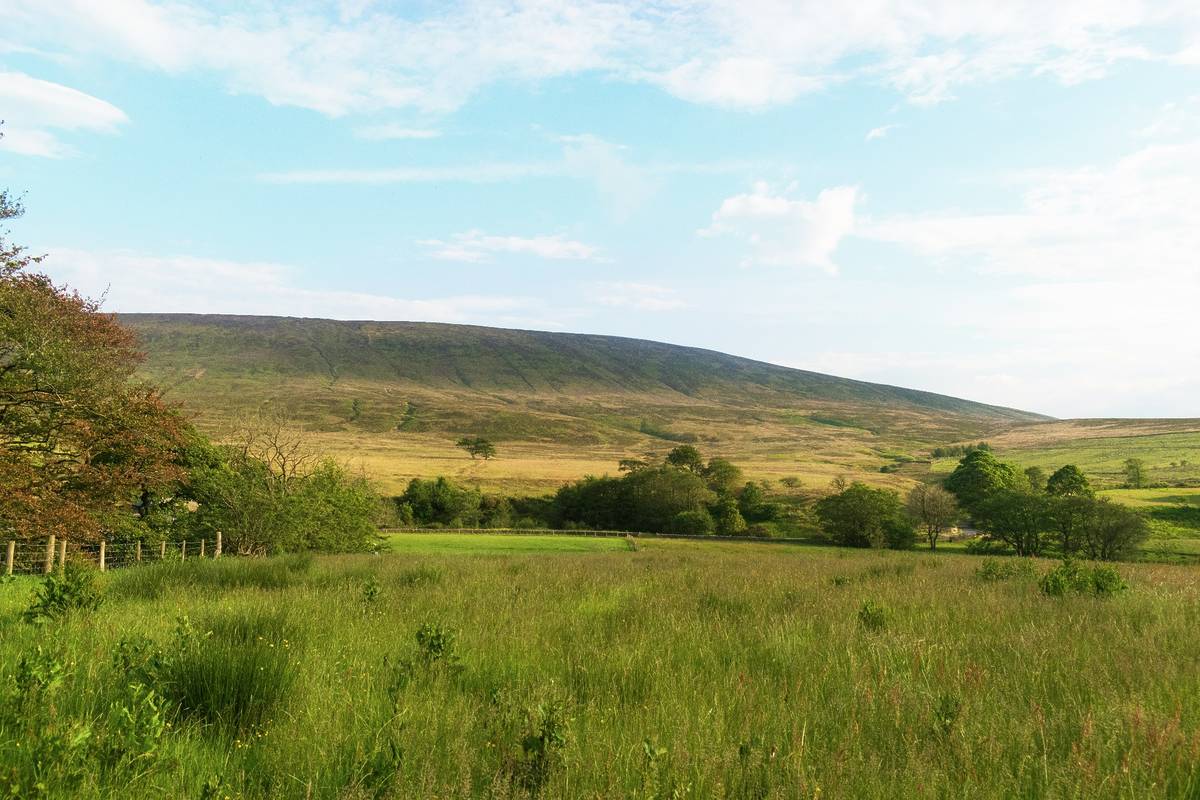
National Landscapes have some of the UK’s best countryside for walking, cycling, wildlife-watching and stargazing and Bowland is no different. From quiet lanes, ancient woodlands, distinctive and attractive villages to flower-filled hay meadows, open moorland and a wealth of local culture and heritage.
The Forest of Bowland covers 803 square kilometres (312 square miles) of rural land in the counties of Lancashire (730 sq km) and Yorkshire (73 sq km). Important for its heather moorland, blanket bog and rare birds, the Lancashire Forest lies just north west of Clitheroe, on the other side of the River Ribble, with areas including Bashall Eaves, Cow Ark and Whitewell that are categorised as Clitheroe lying right in the forest.
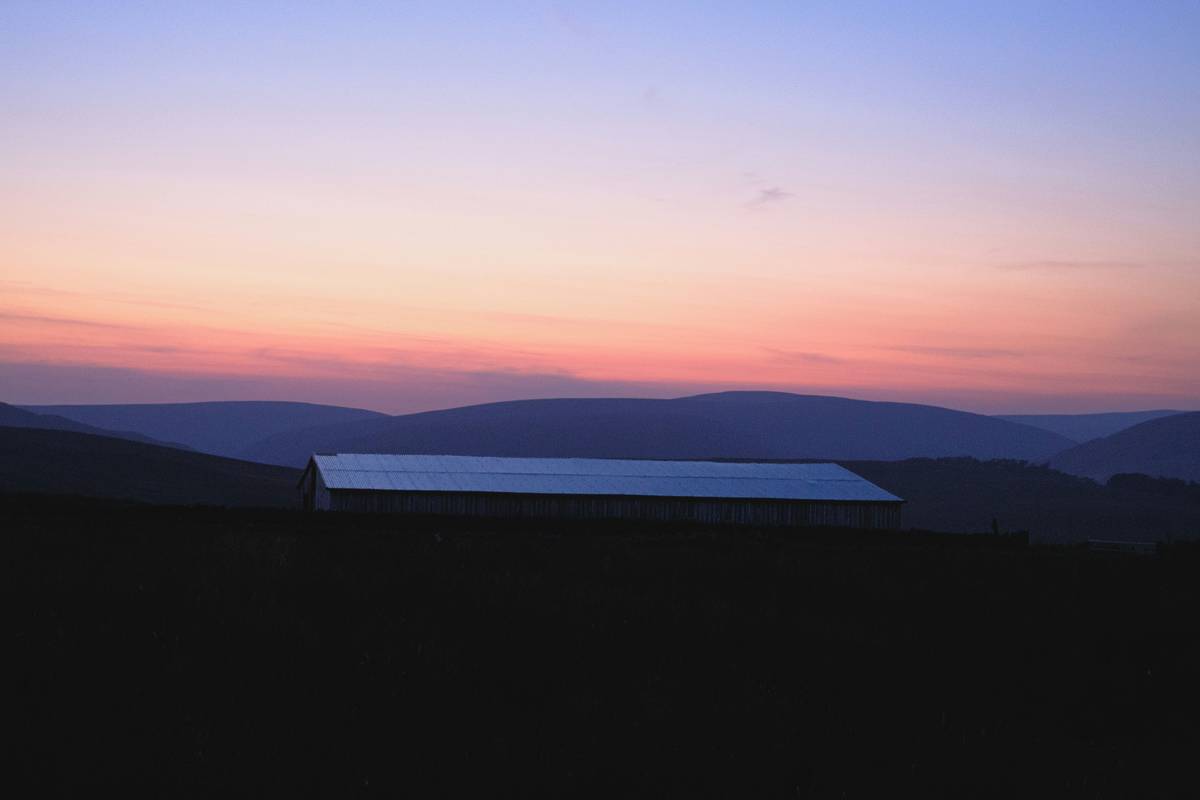
The living landscape, much of which is untouched by human activity, lends itself to exploring by walking, and plenty of other activities. Wild open spaces allow wildlife to thrive, and you’ll catch birds of all kinds amongst other animals. There are also wildflower meadows, woodlands and geological features to frolic in, and is within easy reach of the town centre of Clitheroe.
Home to its own medieval castle
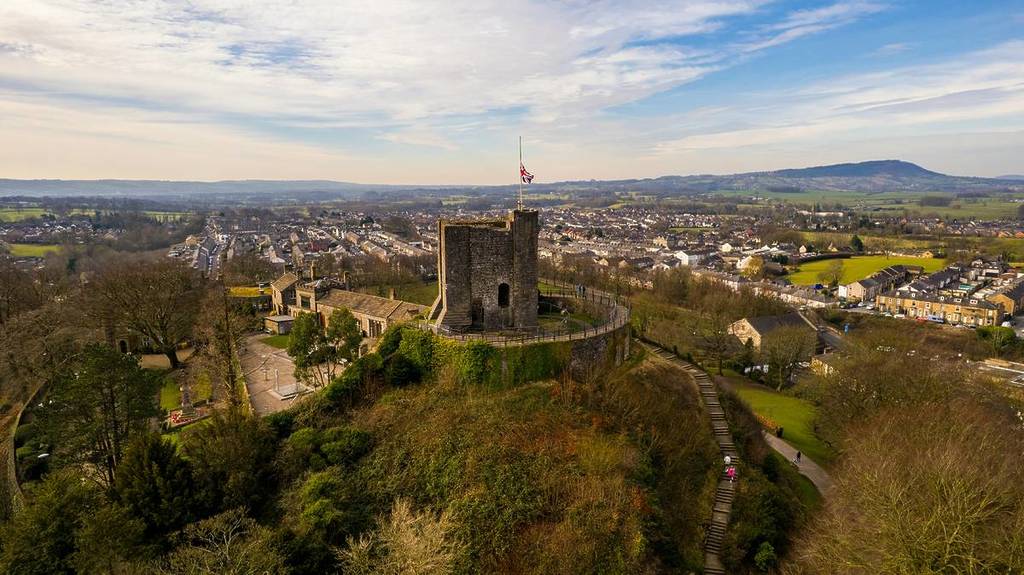
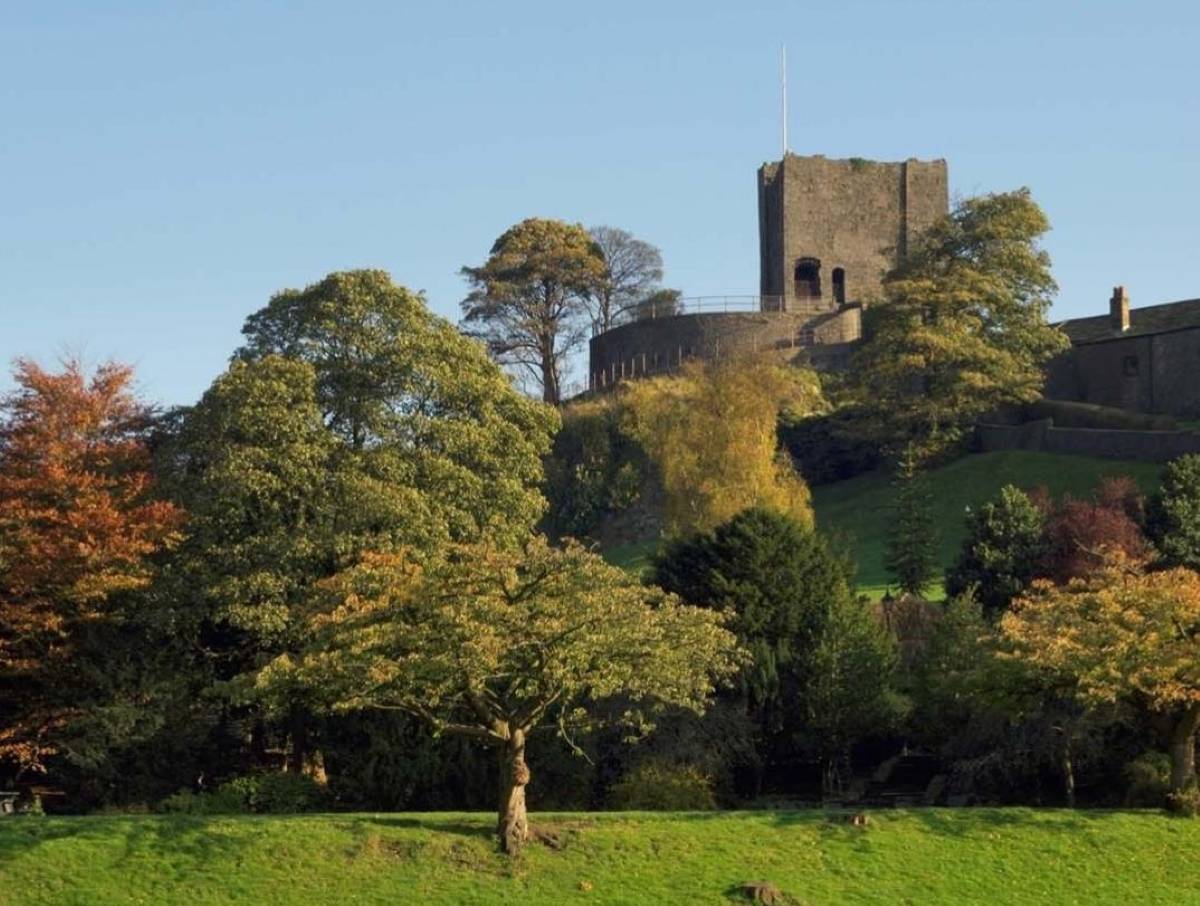
Overlooking the picturesque town of Clitheroe is the ancient landmark, Clitheroe Castle. Sitting proudly on top of its limestone mound the Castle has dominated the local skyline for over 800 years. Although the Castle and grounds are open daily and free to visit, there is an admission charge for Clitheroe Castle Museum.

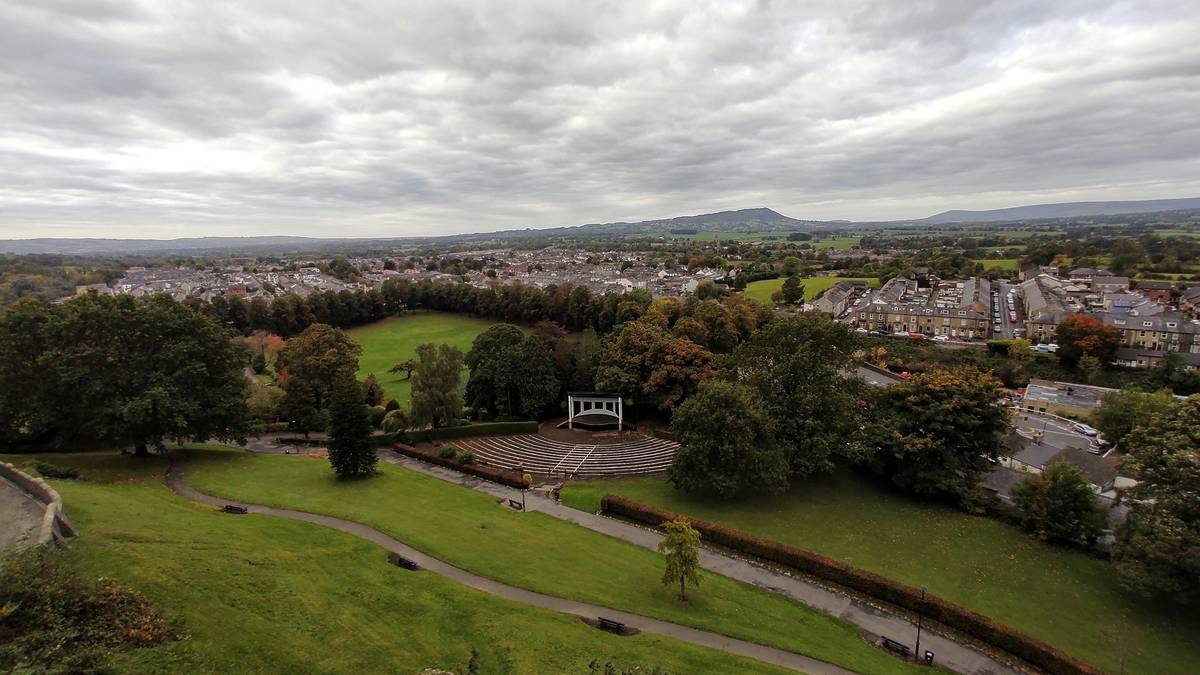
Stunning panoramic views of Ribble Valley’s beautiful, historic landscape can be seen from here which certainly makes the climb up to the top worthwhile! The 16 acres of landscaped gardens boasts a bandstand, children’s playground, skate-park and Lancashire’s first Labyrinth, plus the Rose Garden also features quirky metal and limestone sculptures.
The award-winning Museum is located in the former Steward’s House, a Grade II listed building that was built in the 18th century to house the Steward of Clitheroe Castle. Visitors will also find a Gift Shop making it a great day out for all the family.
Visitors to the museum will be transported through 350 million years of local history. The journey starts with the formation of the landscape we see today and why the Ribble Valley is a haven for unique wildlife. Moving through the galleries the captivating story of the Castle and surrounding area continues to unfold. From local industry and heroes to folklore and legends the exhibits, touchscreen animations and sound points make it a shared experience for everyone to enjoy.
Clitheroe provides access to the spookiest part of Lancashire
Clitheroe is also just north west of Pendle Hill, famous for being the origin of the ‘Pendle Witches’ during 1612. In the infamous puritan trials, thanks to King James 1st’s extreme beliefs, 12 local women were held in custody, one dying before trial due to the awful conditions, one being found innocent, and 10 being eventually brutally hanged.

Aside from the spooky history of the place that attracts hoards of curious dark tourists, Pendle Hill is a great walk. The town itself is just a short drive from Clitheroe, or you can climb the hill from the Clitheroe side. Whatever your ability, there’s a route for you, and you’re rewarded with a gobsmacking view at the top.
Clitheroe is a historical Lancashire market town with plenty of modern business
The name ‘Clitheroe’ is thought to come from the Anglo-Saxon for “Rocky Hill”, and was also spelled ‘Clyderhow’ and ‘Cletherwoode’. The historic market town has held a regular market since the Norman Conquest in the 12th century, so if fresh, locally sourced and exceptional food is important to you, then Clitheroe Market could just be the place to visit.
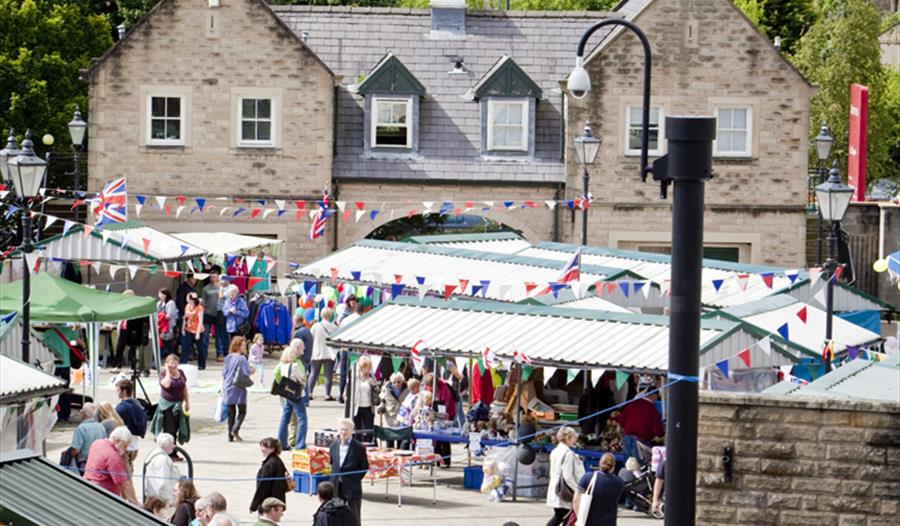
What’s more, the quaint town centre is bustling with local independent businesses, so whether you’re looking for something specific, just having a mooch, or wanting cake and a coffee, Clitheroe is a great choice.
Clitheroe is around an hour’s drive from Manchester, and you can get there by train from Manchester Victoria in about an hour and 20 minutes.