In a city that has repeatedly redefined the sounds of generations — from the raw euphoria of Madchester to the global swagger of Britpop — music in Manchester has always been more complex than beats and melodies. It has always been about connection. For Mancunians, sound is a social act, it’s something that we live and we share. This is why the city’s live gig ecosystem has always thrived, why basements, warehouses, and arenas alike pulse with collective energy, and why the rave, at its core, has long been understood as an act of communion rather than consumption.
That instinct for togetherness is evolving. In 2026 younger audiences, raised on immersive visuals, cinematic soundtracks, and digital-first discovery, are increasingly seeking the same sense of collective transcendence through classical music. Once perceived as formal or exclusionary, orchestral performance in Manchester is now emerging as a musical experience that could be as important to young listeners as the city’s underground culture.
How are classical music listening habits changing in the UK?
British youth are reshaping the classical music landscape, and nowhere is this more evident than in the UK’s live concert resurgence. As reported in Classical Pulse 2026 by Candlelight, a study into classical music listening habits across ten countries:
- Half of Britons have attended a classical concert at least once in their lives. Of that group, 94% are under the age of 45, highlighting just how strongly younger audiences are driving attendance.
- This ranks young people in the UK as the second most engaged concertgoers in Europe, placing them just behind Italy.
- By contrast, among Britons who have attended a classical concert at some point in their lives, Baby Boomers are the least likely in Europe to have returned to one in the past year.
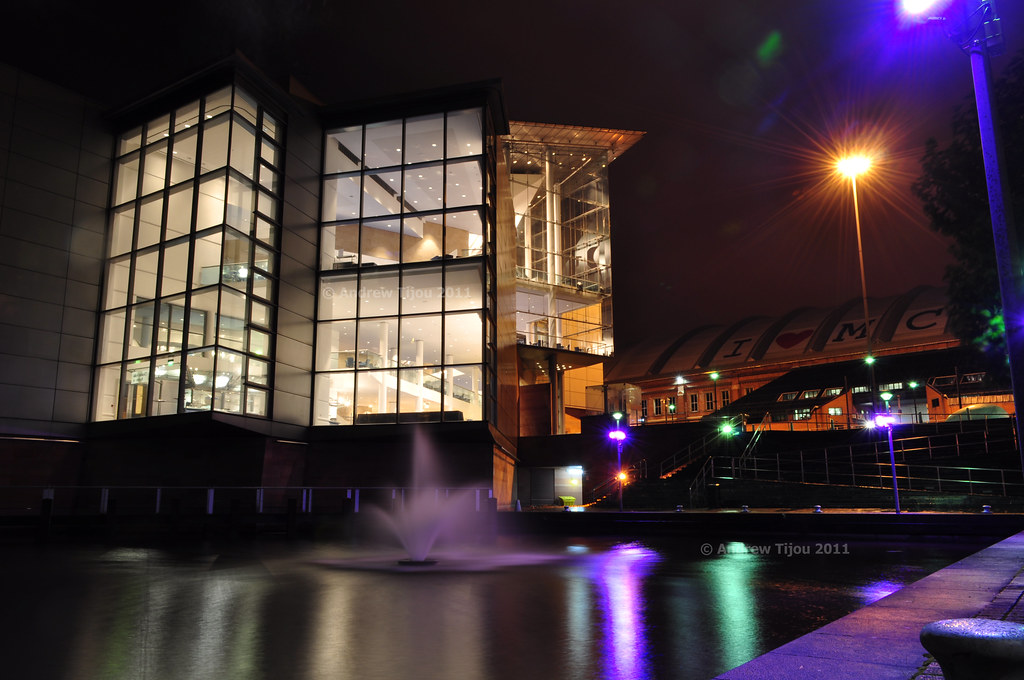
Reimagined classical experiences — from genre-blending performances to enhanced visual elements — are proving a major draw for younger audiences. The rise of Manchester Collective, a boundary-pushing ensemble known for bold programming and immersive live shows, reflects this shift. By selling out performances everywhere from the underground nightclub The White Hotel and a working brewery to traditional venues like Bridgewater Hall, the group demonstrates what the data confirms; how innovative concert formats can bring new energy, and new listeners, to classical music.
How are classical music listening habits changing globally?
The story is consistent globally; young people are showing up for classical music in an unprecedented way. Candlelight’s report shows that Gen Z and Millennials are far more likely to call themselves dedicated fans than older generations, who are increasingly absent from concert halls in countries like the US, Canada, and Australia. In an age shaped by hyper-curated digital experiences, there’s a growing appetite for grounded, human experience, and classical concerts offer that rare mix of emotion, intensity, and shared presence that can’t be scrolled past. As formats evolve with visuals and genre crossovers, the centuries-old core appeal of classical music concerts remains the same: real music, felt in real time, with real people.
Classical music in Manchester
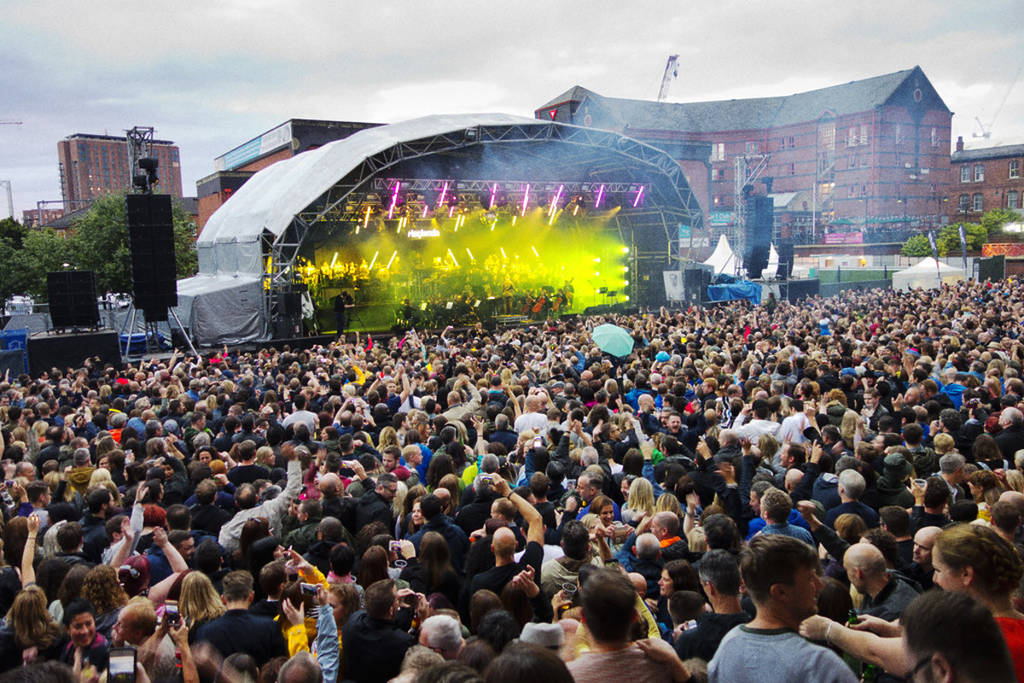
This global shift towards progressive classical music is exemplified naturally in Manchester. The city has always thrived on crossing genre boundaries, and the continued success of Hacienda Classical ahead of their 10th anniversary show this July captures that instinct perfectly—reworking club anthems with full orchestral force and drawing crowds who might never have set foot in a traditional concert hall.
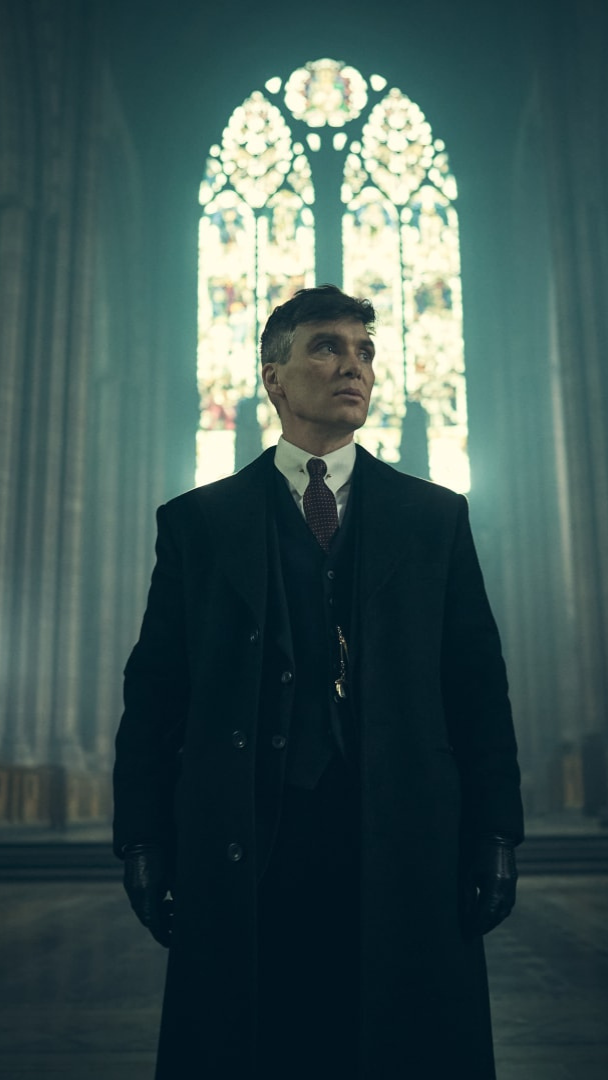
That same appetite for reinvention is visible across the city, from cinematic game scores filling Aviva Studios to orchestral performances at The Bridgewater Hall, O2 Apollo, Candlelight concerts at Manchester Cathedral, and atmospheric spaces like Castlefield Bowl.
Collectively, these concerts and venues show how Manchester is embracing a new classical language which mirrors global trends toward genre-blending, immersive settings, and emotionally charged live experiences. A familiar Mancunian instinct taking a new form, the same impulse that once drove warehouse raves, indie revolutions, and dancefloor crossovers is now shaping how younger audiences connect with classical music — and as ever in this city, we can’t wait to see where the beat takes us next.