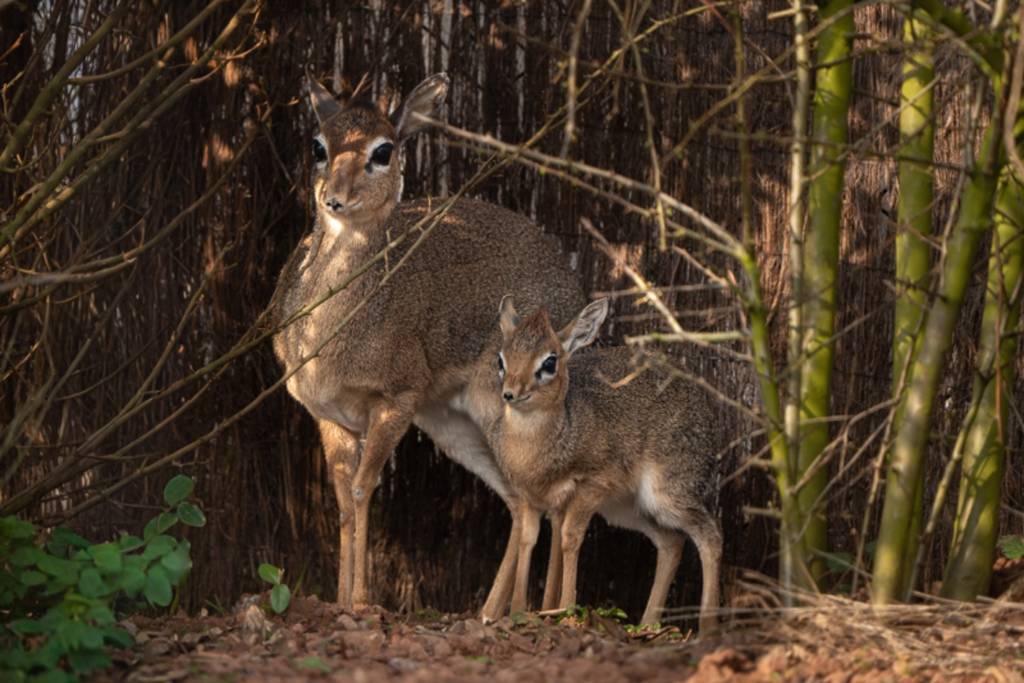

In some adorable news, Chester Zoo has an exciting new addition to its animal family. Dotty, who is one of the world’s smallest antelopes, the dik-dik, weighed just a few hundred grams at birth, and as small as a “tin of baked beans”.
Now, the dik-dik fawn has taken her first steps outdoors and is slowly getting used to the world around her. As Dotty grows, she could reach up to 40cm in height, as the species is absolutely tiny.
Moreover, Dotty’s father has, unfortunately, passed away from old age, leaving her mum, Chrissy, alone. However, in a heartwarming plot twist, another male named Dan has stepped up to help raise the fawn. Well, here’s some good karma for all the Dans out there!
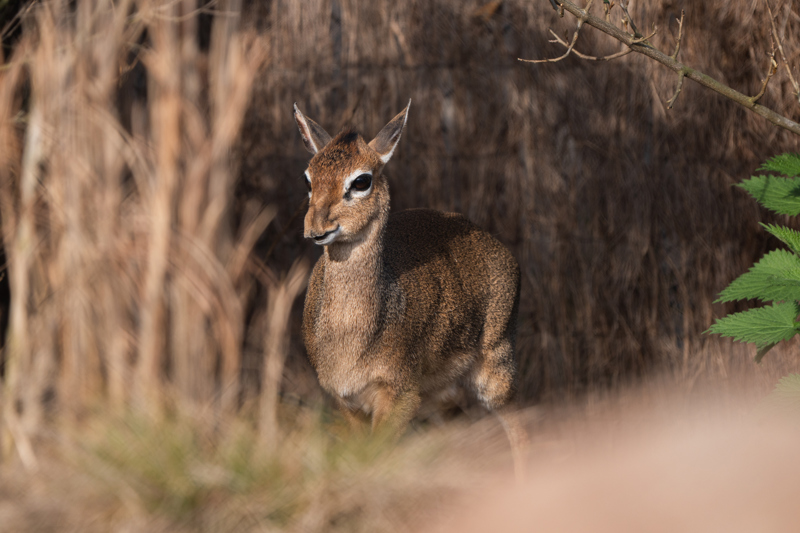
Megan Carpenter, Assistant Team Manager of Small Mammals: “Dik-diks are naturally very shy animals, so for the first couple of weeks Chrissy’s tiny fawn has been tucked away in a quiet, cosy den, with mum popping back to feed and check on her.”
“Now though, she’s beginning to find her feet, and we’re seeing those lovely first steps as she heads out on her first little outdoor adventures.”
“In a lovely addition to the story, we’ve also welcomed a new male dik-dik, Dan, as part of the European conservation breeding programme. He’s already stepped in alongside mum Chrissy to help raise the newborn, and it’s wonderful to see the three of them together.”
Fun facts about the dik-dik
The species is often encountered in the scrublands and mountainous regions of Kenya, Tanzania and Namibia in Africa.
Their name originates from the high-pitched “dik-dik” sound they make as an alarm to take cover and hide.
As one of the world’s smallest antelope species, the dik-dik weighs only between 3 and 6kg.
Dik-diks are true couple goals of the animal kingdom, as they mate for life and are always found in close proximity to each other.
The animal species mark their territory with their eyes, as their preorbital glands, rubbing against leaves and twigs, leave a scent behind.
When feeling threatened, dik-diks can run zigzagging at “stagerring” speeds of up to 42 kilometres per hour.