
Manchester knows Candlelight — the soft flicker, the string quartet, that instant calm. But what does it take to make a room look like it’s breathing with light?
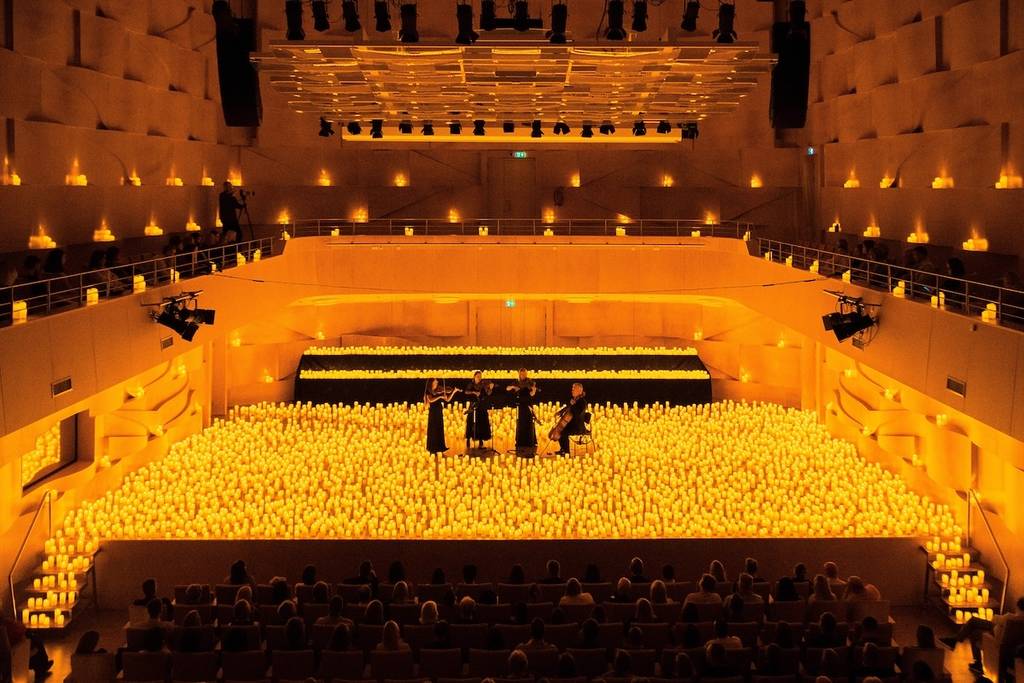
Think thousands of candles, sometimes 5,000 , sometimes 15,000, and occasionally 30,000, highlighting the architecture of the city’s most iconic, historic venues. The exact count shifts by venue, but the idea stays the same: a sea of tiny flames building one big feeling.
It looks effortless because that’s part of the magic. And that calm? It starts long before doors open—out of sight, clockwork quiet.
Table Of Contents
Behind the glow: the set up
Boxes arrive, neat and uniform. Lids pop. Rows of protected candles emerge, checked, grouped, ready.
The floor becomes a grid. Aisles, arches, edges—each spot gets a candle. Some low to the ground, others lifted on stands. Patterns form; pathways stay clear.
Then the light, it catches waves and blooms across the venue. One light becomes ten, then hundreds, then thousands, until the room hums.
By the time you take your seat at Hallé St Peter’s, the church feels transformed—stone softened, shadows dancing, instruments haloed. What reads as pure ambience is hours of human touch stitched into a single, steady glow.
Stand in it and the scale lands, it’s like being surrounded by a cloud of fireflies, only steadier.
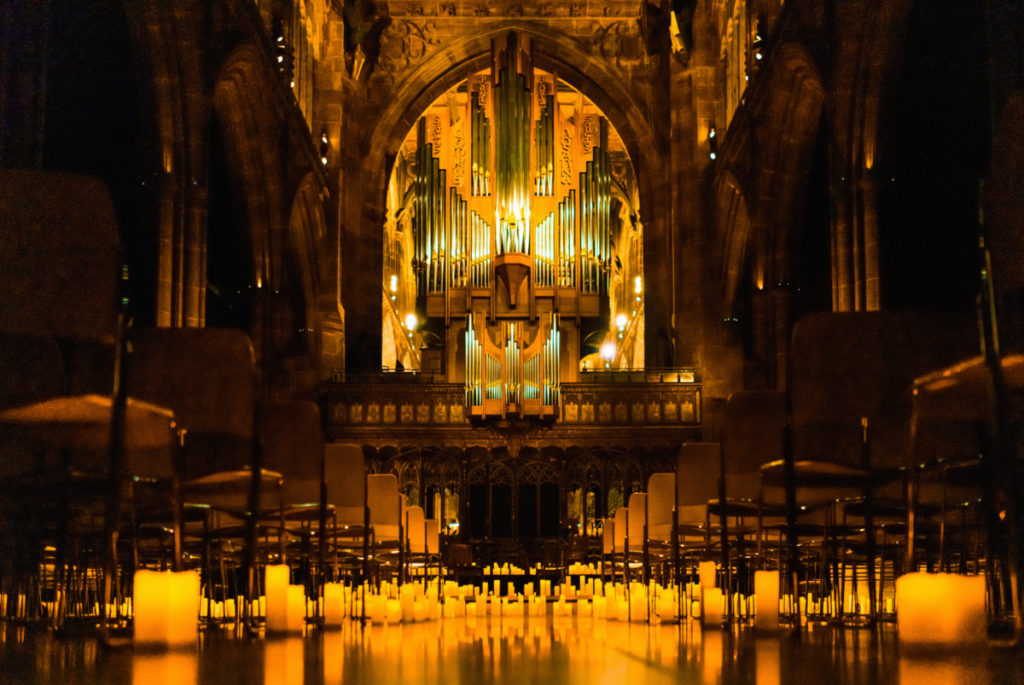
After the final note, it all unwinds. Flames out. Every piece returns to its box. The room clears back to zero.
Then it happens again—new venue, fresh layout, thousands more placements and lights. Night after night, the ritual repeats so the experience feels brand new every time.
What you see at Candlelight Manchester isn’t luck; it’s layers of careful work hiding in plain sight. Knowing that doesn’t break the spell—it sharpens it. You feel the room more. You hear the music differently. And you leave with a quiet respect for the people who built the glow you got to step inside.
23 October 2026 17:00
Hallé St Peter's
23 October 2026 21:00 + more dates
Hallé St Peter's
Hallé St Peter's
30 October 2026 17:00 + more dates
Hallé St Peter's
30 October 2026 19:00 + more dates
Hallé St Peter's
29 October 2026 19:00
Hallé St Peter's
11 November 2026 19:30 + more dates
Manchester Cathedral
7 November 2026 17:00
Hallé St Peter's
13 November 2026 17:00
Hallé St Peter's
7 November 2026 19:00
Hallé St Peter's
20 November 2026 18:00 + more dates
Manchester Cathedral
26 November 2026 17:00 + more dates
Hallé St Peter's
20 November 2026 20:30 + more dates
Manchester Cathedral
20 November 2026 19:00 + more dates
Hallé St Peter's
21 November 2026 19:00
Hallé St Peter's
26 November 2026 19:00
Hallé St Peter's
17 December 2026 17:00 + more dates
Hallé St Peter's
19 December 2026 21:00 + more dates
Hallé St Peter's
23 December 2026 19:00 + more dates
Hallé St Peter's
27 December 2026 17:00
Concorde Conference Centre
27 December 2026 19:00
Concorde Conference Centre
8 January 2027 20:30
Manchester Cathedral
8 January 2027 18:30
Manchester Cathedral
21 January 2027 21:30
Manchester Cathedral
21 January 2027 19:30
Manchester Cathedral
12 February 2027 18:00
Manchester Cathedral
19 March 2027 18:30
Manchester Cathedral
19 March 2027 20:30
Manchester Cathedral
24 October 2026 18:30 + more dates
Central Hall Westminster