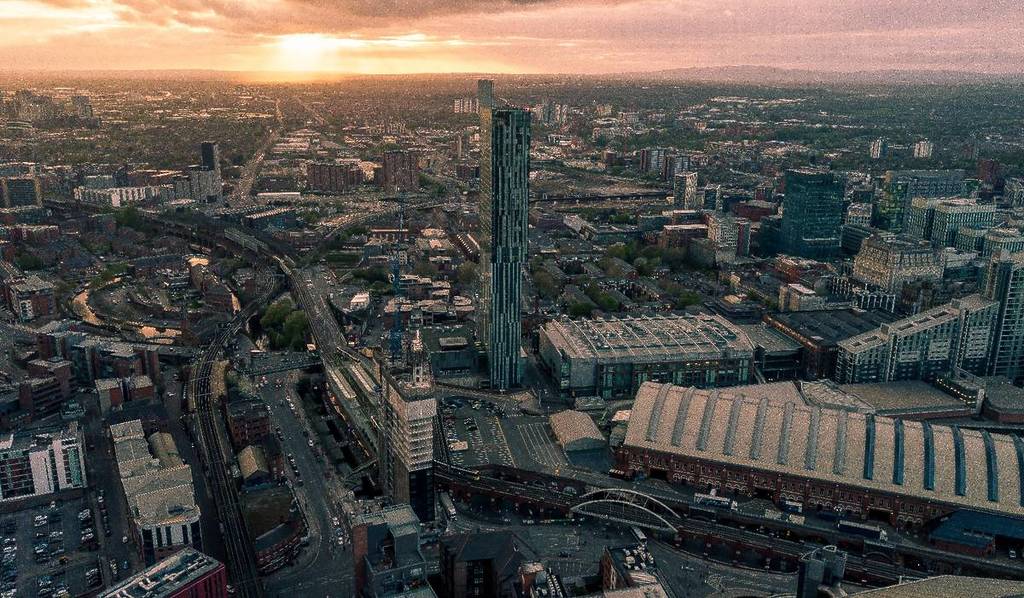

Manchester was treated to a few sweet tastes of summer in the past few weeks, with the temperature in the (usually) rainy city reached the dizzying heights of 19°C. The sun shone for more than two consecutive hours and we Mancs were reminded that life is, in fact, worth living. But the sunshine (hopefully) doesn’t stop there, folks. This weekend, is the one we’ve all been waiting for. The clocks will spring forward, marking the end of the darkness and the dreariness, and the official beginning of British Summer Time.
When do the clocks go forward this year?
After a long (and flippin’ freezing winter), on Sunday, March 29, the clocks with leap forward an hour, marking the start of ‘daylight saving time’. It does mean that we will lose an hour of sleep that night, but that’s a small price to pay in order to gain a whole extra hour of daylight and the post-7pm sunsets (remember those?!) that will come with the clock change.

So, why do our clocks change throughout the year, I hear you ask? Well, the clocks started changing in the UK back in 1916 (just a few weeks after Germany started the trend) in a bid to make better use of the daylight hours. Back then, it was so people could work for longer and save energy resources. But now, I’m pretty sure it’s just so we Brits can head to a beer garden for post-work pints and be mildly less moany for the next 6 months.
British Summer Time will begin on March 29 and last all the way until October 25 (but let’s not think about that for now). Most modern phones, cars, computers, and appliances will automatically change but older appliances, cars, and traditional clocks will need to be altered manually.
Happy (almost) British Summer Time, Mancs – we actually made it. Well, nearly.