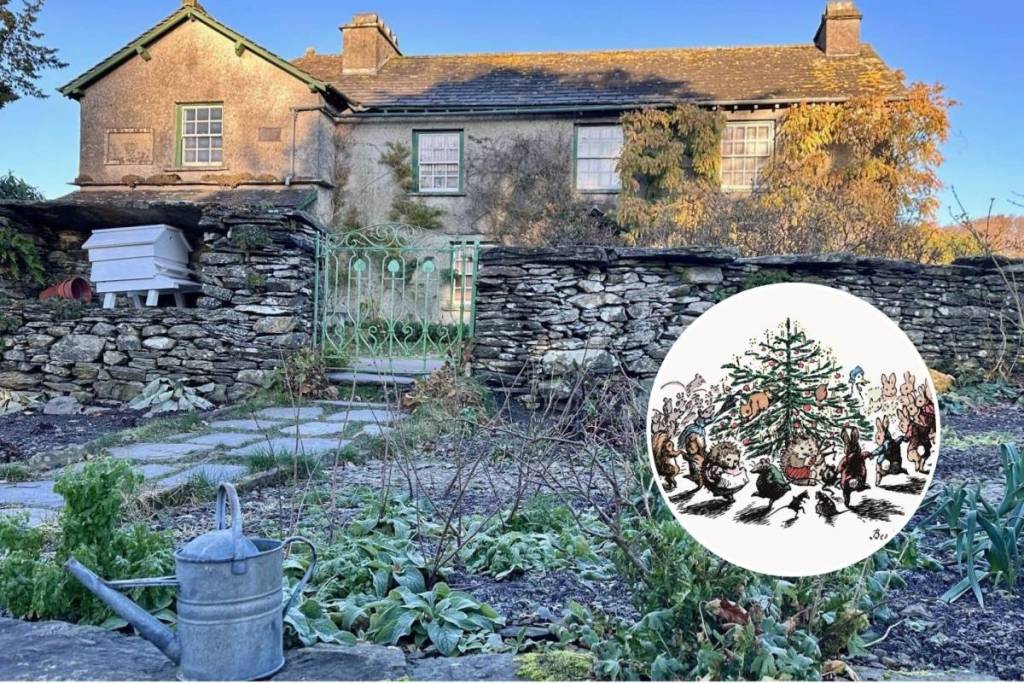

Just under two hours north of Manchester’s bustling city centre, the landscape shifts from sprawling urban grid to the frost-tipped fells and quiet, winding lanes of the Lake District. Here, tucked into the tiny village of Near Sawrey, sits Hill Top Farm. It is a place that feels suspended in time, wrapped in the quiet magic of a traditional Edwardian winter.
But beneath the roaring fires and festive garlands of its Christmas season lies the legacy of one of Britain’s most fiercely determined conservationists: Beatrix Potter. In 1905, flush with the astonishing royalties from a little book called The Tale of Peter Rabbit, Potter made a decision that would forever alter the geography of the Lake District.
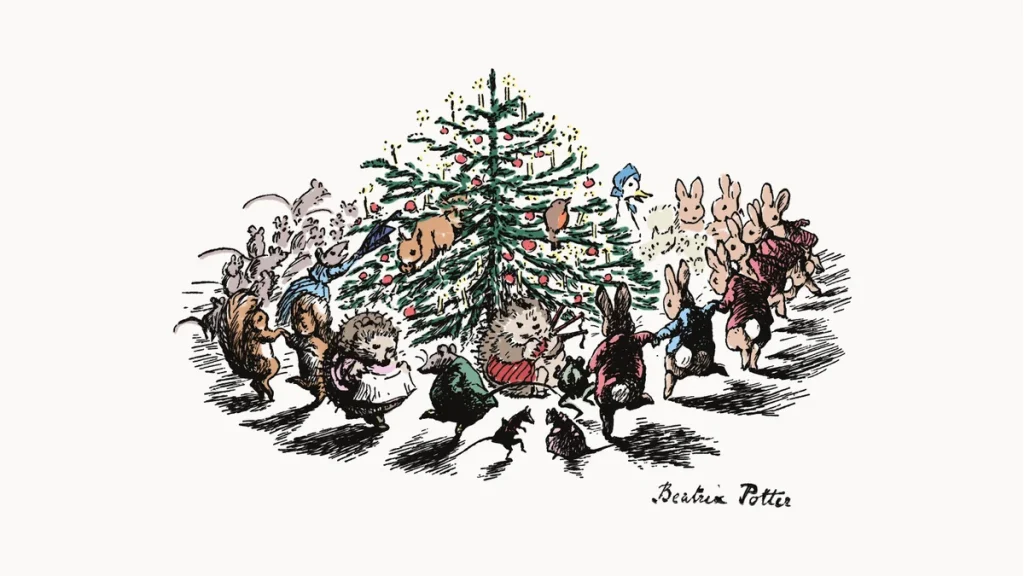
She did not buy a sprawling London townhouse or a life of idle luxury. Instead, she purchased Hill Top, a humble 34-acre working farm. It was the ultimate refuge for an author desperate to escape the stifling expectations of upper-middle-class London society, giving her a sanctuary where she could wander in muddy boots and draw inspiration directly from the natural world.
Yet Hill Top was merely the opening chapter of a lifelong, quietly ruthless crusade to save the Lake District from the encroaching grip of commercial development.
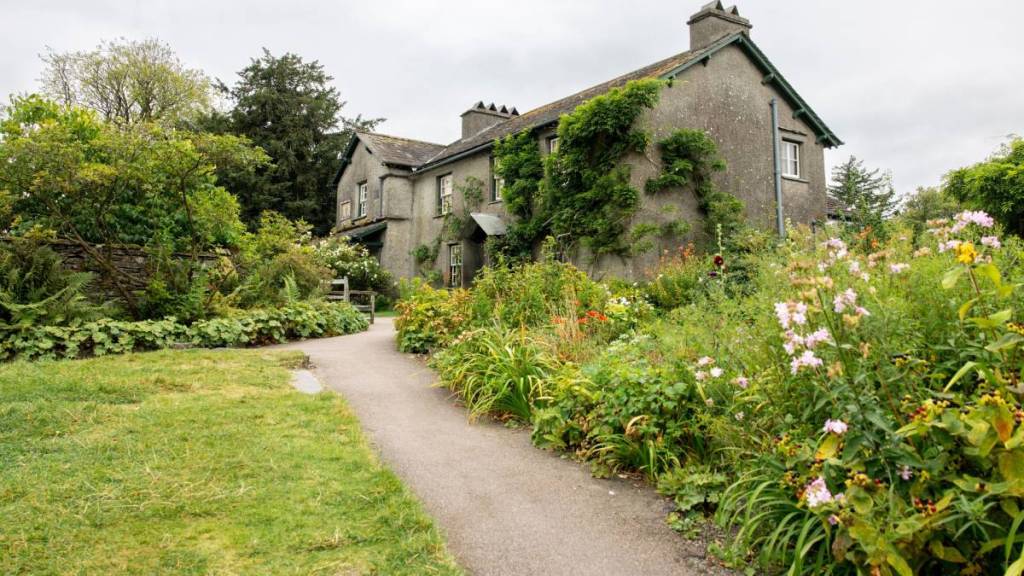
As the years passed and her literary empire expanded, Potter funnelled her vast wealth into buying up vulnerable parcels of land. Whenever a local farm was threatened by developers looking to carve up the majestic landscape for tourism or industry, Potter would quietly step in, outbidding them and placing the land under her fierce protection.
She became a formidable sheep farmer, championing the native Herdwick breed and maintaining the traditional, centuries-old farming practices of the region. By the time of her death, that original 34-acre purchase had snowballed into a staggering 4,000-acre estate spanning fifteen farms, all of which she bequeathed to the National Trust. It was one of the largest land donations in the organisation’s history, securing the untamed beauty of the fells for generations to come.
A Hill Top Christmas Tale
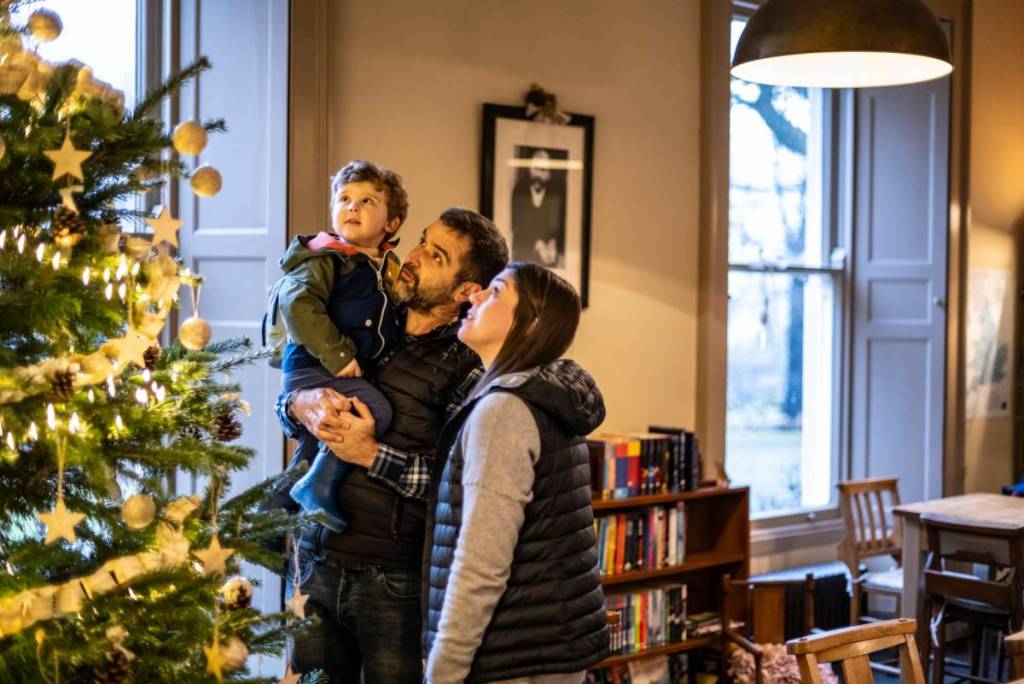
Today, that monumental legacy feels intensely personal the moment you step across the threshold of Hill Top Farm, especially as winter sets in. During the festive season, her former home transforms into a living, breathing storybook. The National Trust painstakingly curates the property to look exactly as it did when Potter lived there, leaving visitors with the eerie, enchanting sensation that the author has simply stepped out for a brisk winter walk.
The festive magic is in the historical authenticity. There are no flashing neon lights or commercialised displays. Instead, the air is thick with the scent of dried orange slices, cinnamon, and woodsmoke curling from the original range in the parlour. Hand-tied garlands of locally foraged holly, ivy, and yew are draped across the dark oak panelling.
The glow of the crackling fires illuminates the very same hearth rug where a fictional dog named Kep once slept, and the grandfather clock ticks away in the exact spot it stood when she illustrated The Tale of Samuel Whiskers.
Wandering through the cosy rooms—from the parlour where Potter entertained guests to the chilly, slate-floored dairy—you can trace the direct line between her imaginative genius and her tangible environment. For visitors making the short drive up the M6 from Manchester, Hill Top offers more than just a quaint holiday escape. It is a profound reminder of the power of one woman’s vision.
As the winter light fades over the valley and the farmhouse glows warmly against the darkening fells, Beatrix Potter’s greatest gift to the nation is palpable not just on the page, but in the fiercely protected earth beneath your feet.
A Hill Top Christmas Tale is open now until 12 December.
Entry is free for National Trust members, with non-member prices as follows:
- Adult: £17
- Child: £8.50
- Family (2 adults and up to 3 children): £42.50
- Under 5s: free
📍 Find National Trust Hill Top at Near Sawrey, Ambleside LA22 0LF.