Greater Manchester’s mayor could take charge of much more of the support that helps 14- to 24-year-olds into learning and work, under proposals in Alan Milburn’s review of young people not in education, employment or training (NEETs), published today (Tuesday 17 November). These are recommendations, not law. The government has not committed to implementing them in full.
The 278-page review landed a year after the government commissioned it. It says 981,000 people aged 16 to 24 in the UK are NEETs, at a cost of around £125 billion a year. Without action, the number could reach about 1.25 million by 2031.
What the review proposes
Milburn wants to shift money from benefits towards support. He would cut the ratio of benefit spending to employment support for young people from about £25 to £1 to £2 to £1.
- A single Youth Allowance for under-25s, paid at the standard Universal Credit rate, with no health element and no Work Capability Assessments.
- A Youth Opportunity Service in every area, giving each young person one point of contact to find a route into education, training or work.
- A work allowance, set at the value of 16 hours a week at the minimum wage, so benefits stop falling from the first pound earned. Currently most claimants lose 55p of benefit for every £1 they earn.
The changes to sickness and disability benefits for young people are likely to prove controversial.
What it could mean for Greater Manchester
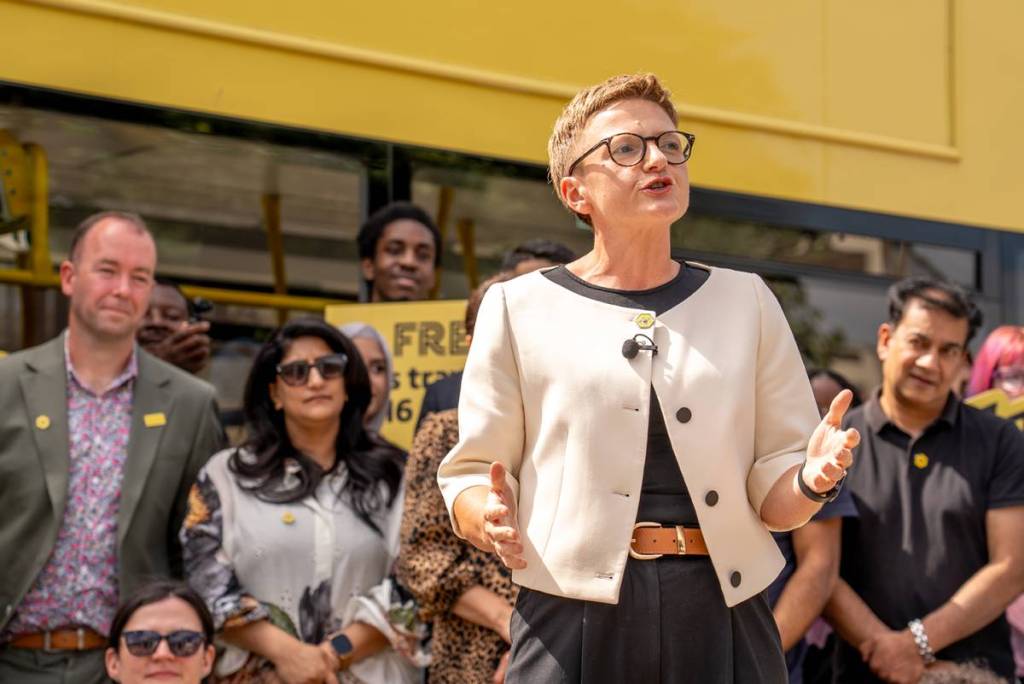
The review says Greater Manchester could gain more powers over education, training and employment support for young people, building on local schemes. It proposes an immediate devolved mobilisation fund so the region can widen outreach before full transfers of responsibility.
Mayor Bev Craig will appoint a deputy mayor for youth unemployment, who will also be the region’s skills commissioner. She will also call for full devolution of the skills and apprenticeship levy. The Greater Manchester Combined Authority (GMCA) has argued that a fragmented, centralised system lets young people down.
According to GMCA Greater Manchester’s approach would include:
- A Greater Manchester Apprenticeships Hub that would at least double access to apprenticeships
- Being the first place to deliver the Youth Opportunity Service
- Helping young people prepare for life and work from age 14
Bev Craig said: “Too many young people are being let down by a system that has fundamentally failed them. We should not accept a future where our young people are not earning or learning. We have a moral duty to act now – and Greater Manchester is ready to act first.
“In Greater Manchester we’ve known for years that if we’re serious about helping young people reach their potential, we must tackle the barriers in other areas of their life and offer holistic support. Our Live Well and Working Well programmes have pioneered real support for people to help them into work – whether that’s through effective mental health support, addressing insecure housing or giving people real pathways into opportunities.

“We’ve proven that when services work together around people’s needs, lives can be changed and people can be supported to access the new job opportunities we are creating in a growing economy. That’s Manchesterism in action.
“Now is the time to build on that success. If government is serious about tackling the youth unemployment crisis, it must back Greater Manchester to lead the way. Give us the powers and flexibility we need and we can build a system where every young person is supported to learn or earn. We can double the number of apprenticeships, be the first to deliver the Youth Opportunity Service and start preparing young people from work at the time they need it most.”
The region already has experience of locally led support through Working Well, which the Department for Work and Pensions (DWP) funded and the combined authority oversaw. Think tank Centre for Cities says mayors currently control only 15 per cent of employment support spending in their areas. Its director of policy and research, Ant Breach, warns that without enough funding, “government risks setting mayors up to fail”.
What is already changing
One change is already under way. The DWP says its Jobs Guarantee, trialled in Greater Manchester, will roll out nationwide from the end of November. It funds up to 25 hours of paid work a week for six months for 18- to 24-year-olds. From April 2027, young people become eligible after 12 months on Universal Credit, down from 18.
In Manchester, the city council will recommission its NEET Prevention and Reduction Service before the current contract ends in March 2027. It has also agreed a Prevention Fund to expand apprenticeships and the Manchester Pathways Programme, with a focus on 18- to 24-year-olds. Families with a young person out of work can start with the council’s youth employment support or their local jobcentre.